Handling Equipment Failures During Music Festival Live Performances.
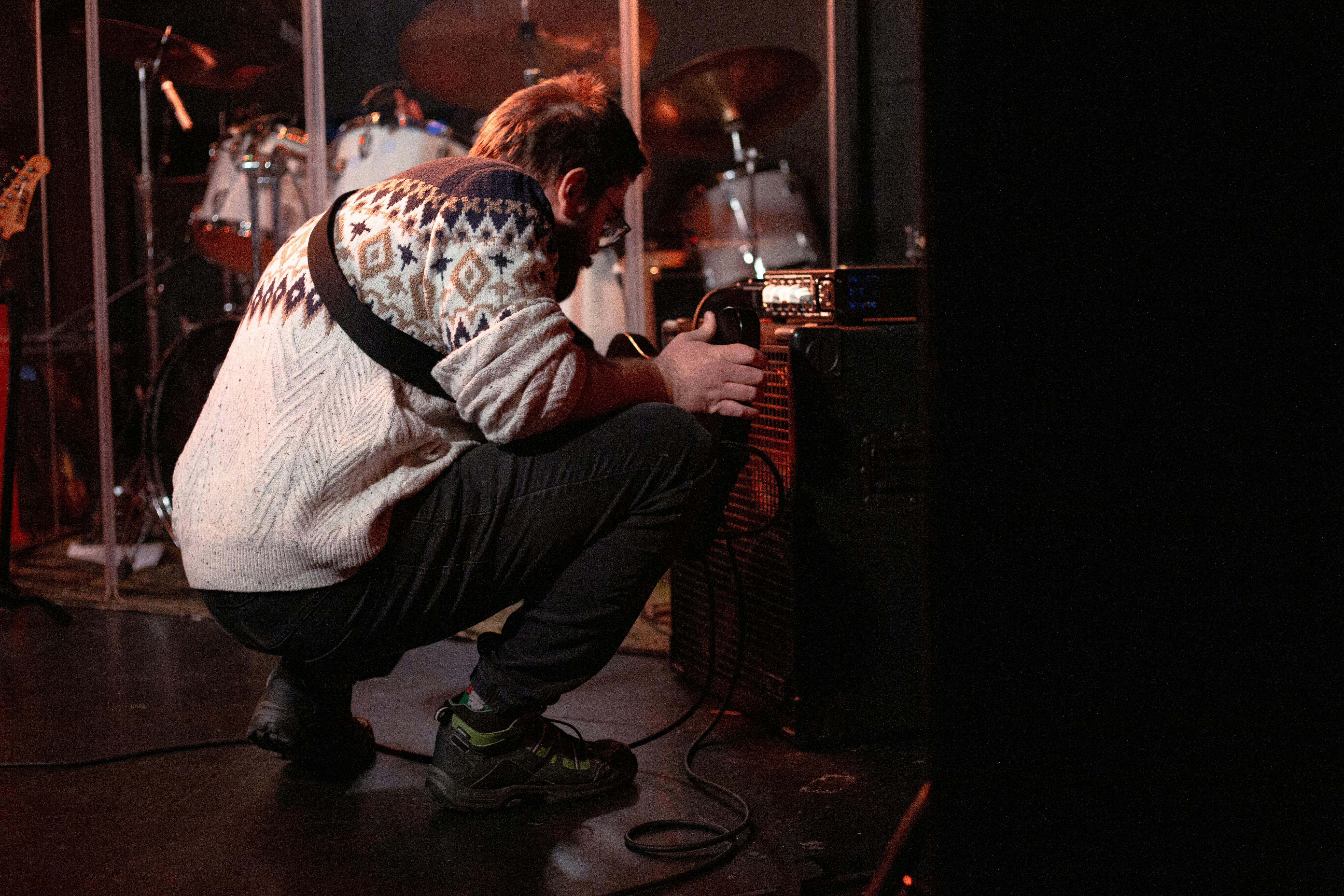
A large music festival with hundreds of artist performances scheduled presents logistical challenges for organisers. Handling fast changeovers and multiple set ups can push equipment capabilities to the limit, sometimes causing failures. What can festival organisers do to plan for these occurrences and how can they manage and resolve incidents quickly.
Many music festivals experience equipment failures, especially when the performance schedules are packed back-to-back. A well organised event will manage these incidents quickly and efficiently without panicking, ensuring that effective communication channels work to diagnose and fix equipment. Equally important is engagement with festival-goers who can be reasonably forgiving as long as they are updated. A quick resumption of performances helps protect the festival’s brand and reputation. What steps should organisers consider for handling equipment failures.
Common Equipment Failures.
Equipment failures can range from audio playback crashes, wireless microphone interference and power outages to instrument problems. Each potential issue needs to be thoroughly diagnosed and rectified in a timely manner. Many equipment failures can be caused by adverse weather conditions, particularly dust, moisture, and excessive heat. Lighting rigs can be very vulnerable to thermal overload and moisture seepage which causes thermal shutdowns. Digital audio equipment can be sensitive to voltage drops due to incorrect power load management, causing them to suddenly reboot mid-set. Back stage zones can be a particularly busy Radio Frequency environment with in-ear monitors, security walkie talkies and wireless microphones all operating together which can be impacted by unreliable wireless signals causing audio dropouts and severe static. Less common but still impactful are instrument and turntable hardware failures often due to the complexity of the electronics used and their fragile nature.
Plan for Failure.
Early in the planning phase, organisers need to build a schedule for performance sets and shows based on artist availability and the art direction to achieve a logical running order. All artists will be required to submit technical specs well in advance, which helps production crews manage equipment requirements and usage throughout the event. Where possible production managers should build in redundancy with duplicate gear for all critical equipment including microphones, DI boxes, instrument cables, playback rigs and backup power supplies for example. All playback systems for visuals and audio tracks should have copies stored on USB drives and secondary consoles or computers. Thorough soundchecks of all equipment prior to events can help identify potential weaknesses or failures. A typical check should include line checks of every input, stress testing of wireless frequencies, verification of power generator load management, and testing of failover systems.
Rapid Diagnosis and Recovery.
A stage production crew who is well trained and fully prepared will always remain calm if an equipment failure occurs. Every technician or engineer will know exactly how to diagnose and repair equipment in a fast and effective manner. A slick troubleshooting sequence should be initiated that usually includes checks on power, signal paths, cables, input/output routing, software/networks and hardware checks. A good sequence of checks helps to quickly isolate the failure so that it can be rectified and if this is not possible in a short time then immediately switch to backup equipment and systems. A quick move to backups is usually preferred over a real time repair as it provides an environment where artists can continue their performance with minimal interruption.
Communication and Audience Engagement.
In the event of any equipment failure, it is essential that all relevant production staff and crew members have a clear and fast way to communicate with each other. Using commonly understood phrases and simple technical language or abbreviations can ensure that issues are quickly understood and managed. A long protracted technical explanation of a specific issue does not help the communication process and can lead to misunderstandings. If an equipment failure causes an artist to pause their performance there should be no long awkward silences, organisers must communicate with festival-goers using an honest and brief announcement over PA systems. A positive tone of voice and simple content that includes realistic timelines of performance resumption and an apology can help to keep crowds calm and avoid frustration. If there's an extended pause in performances stage managers can ask artists to improvise with acoustic sets and drum jams or audience singalongs for example. This helps to keep festival goers engaged and creates an opportunity for artists to express their creativity in adversity, resulting in a more positive outcome.
For festival organisers planning their next event using a software management platform like Festival Pro gives them all the functionality they need manage every aspect of their event logistics. The guys who are responsible for this software have been in the front line of event management for many years and the features are built from that experience and are performance artists themselves. The Festival Pro platform is easy to use and has comprehensive features with specific modules for managing artists, contractors, venues/stages, vendors, volunteers, sponsors, guestlists, ticketing, site planning, cashless payments and contactless ordering.
Image by Adrienn Pamuk via Pexels
<< Back to articles
Contact us
Get in touch to discuss your requirements.
US: +1 424 485 0220 (USA)
UK: +44 207 060 2666 (United Kingdom)
AU: +61 (2) 8357 0793 (Australia)
NZ: +64 (0)9887 8005 (New Zealand)